
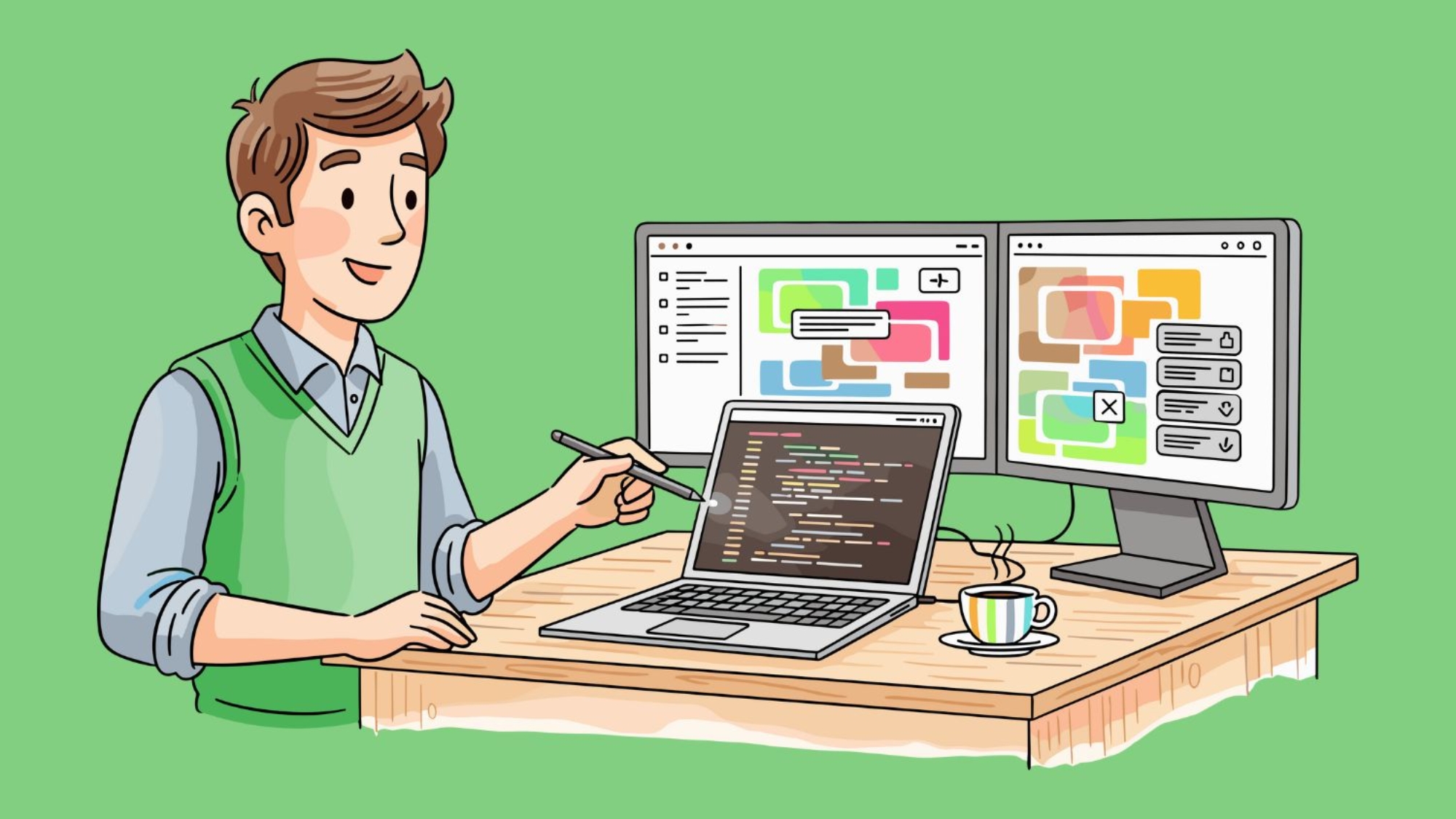
Every business is unique. So, why use software built for everyone else?
Off-the-shelf software is like buying a suit off the rack. It might fit okay, but it’s never perfect. Custom software is like a tailored suit—made just for you.
In this Custom Software Development Guide, we will break down the process into simple steps. Whether you run a startup or a big company, this guide will help you understand how to build the right tech for your needs.
What is Custom Software?
Custom software is technology built for a specific user or organization.
Think about apps like Uber or Netflix. They didn’t buy their software; they built it. This allowed them to offer features that no one else had. Custom software helps you solve specific problems that ready-made tools can’t handle.
The Development Process (Step-by-Step)
Building software might sound complex, but it follows a logical path. Here is the standard roadmap:
1. Idea and Planning
First, you need a clear goal. What problem are you solving? Who will use this software? This stage involves listing your requirements and choosing the right features.
2. Designing the Look (UI/UX)
Before writing code, designers create a visual plan. They draw “wireframes” or sketches of what the app will look like. The goal is to make it easy and enjoyable to use.
3. Writing the Code
This is where the real work begins. Developers use languages like Python, Java, or React to build the software. They turn the design sketches into a working product.
4. Testing for Bugs
Nobody likes an app that crashes. In this phase, testers check every button and feature. They find and fix errors before the software goes live.
5. Launch and Maintenance
Once tested, the software is launched for users. But the work isn’t done. You need to keep it updated and secure over time.
Why Go Custom?
You might wonder, “Is it worth the effort?” Here is why smart businesses choose custom:
- Perfect Fit: It does exactly what you need, nothing more, nothing less.
- Scalability: As your business grows, you can easily add new features.
- Security: Hackers often target popular public software. Custom code is unique and harder to break.
- Ownership: You own the software. You don’t have to pay monthly fees forever.
H2: Conclusion
Building your own technology is a big step, but it pays off. By following this Custom Software Development Guide, you can create a tool that saves time, cuts costs, and helps you grow.
At Codexeo, we make this process easy. We handle the tech so you can focus on your business. Ready to build something great? Let’s talk.

Leave Your Comment